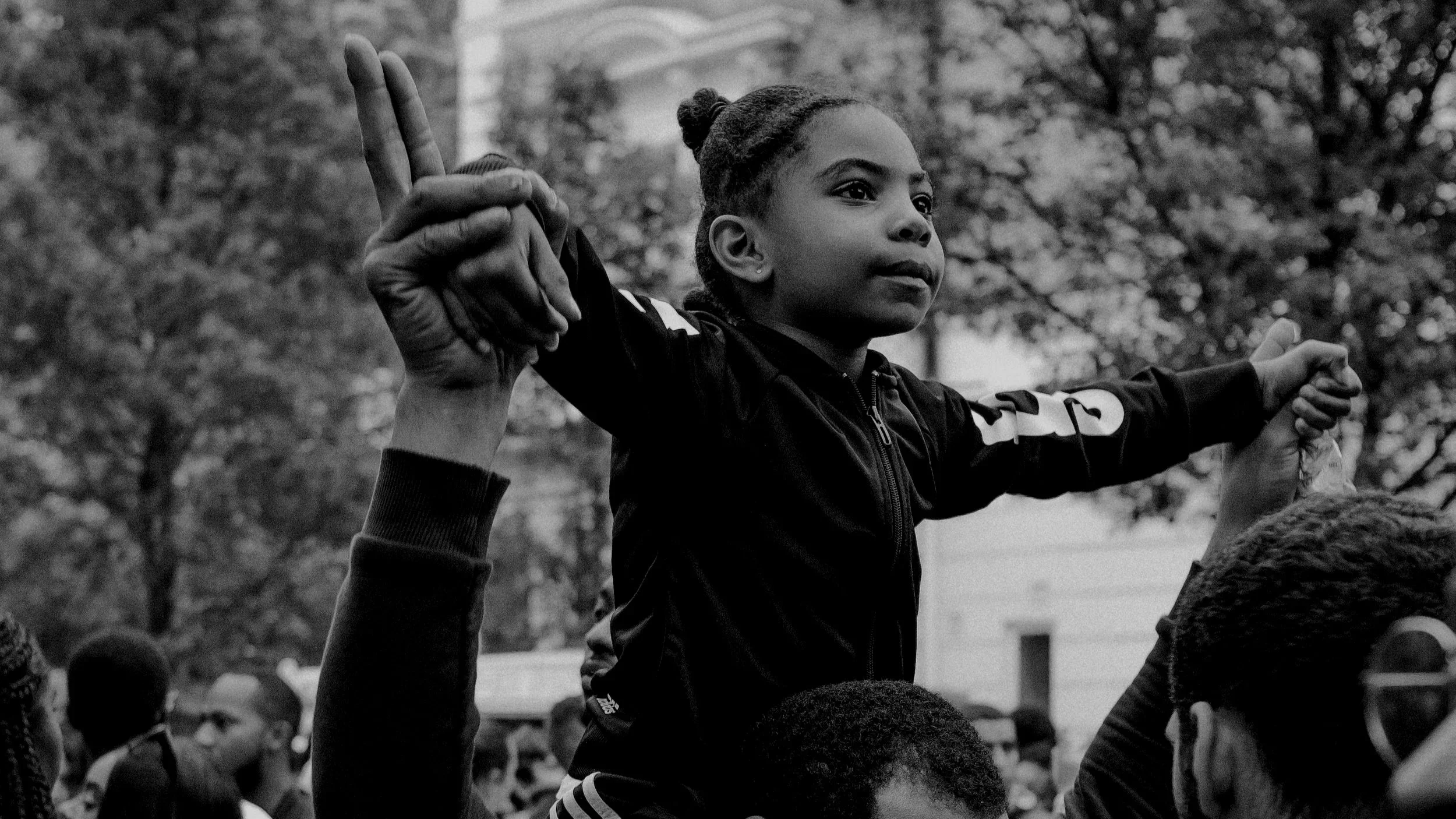
Children should not be pushed to identify as LGBTQ
Many one-size-fits-all policies focus on LGBTQ rights and protections; however, they don’t consider the complexity of the LGBTQ experience.
Could these policies cause harm to a child’s development?
How does childhood shape our sexual identity?
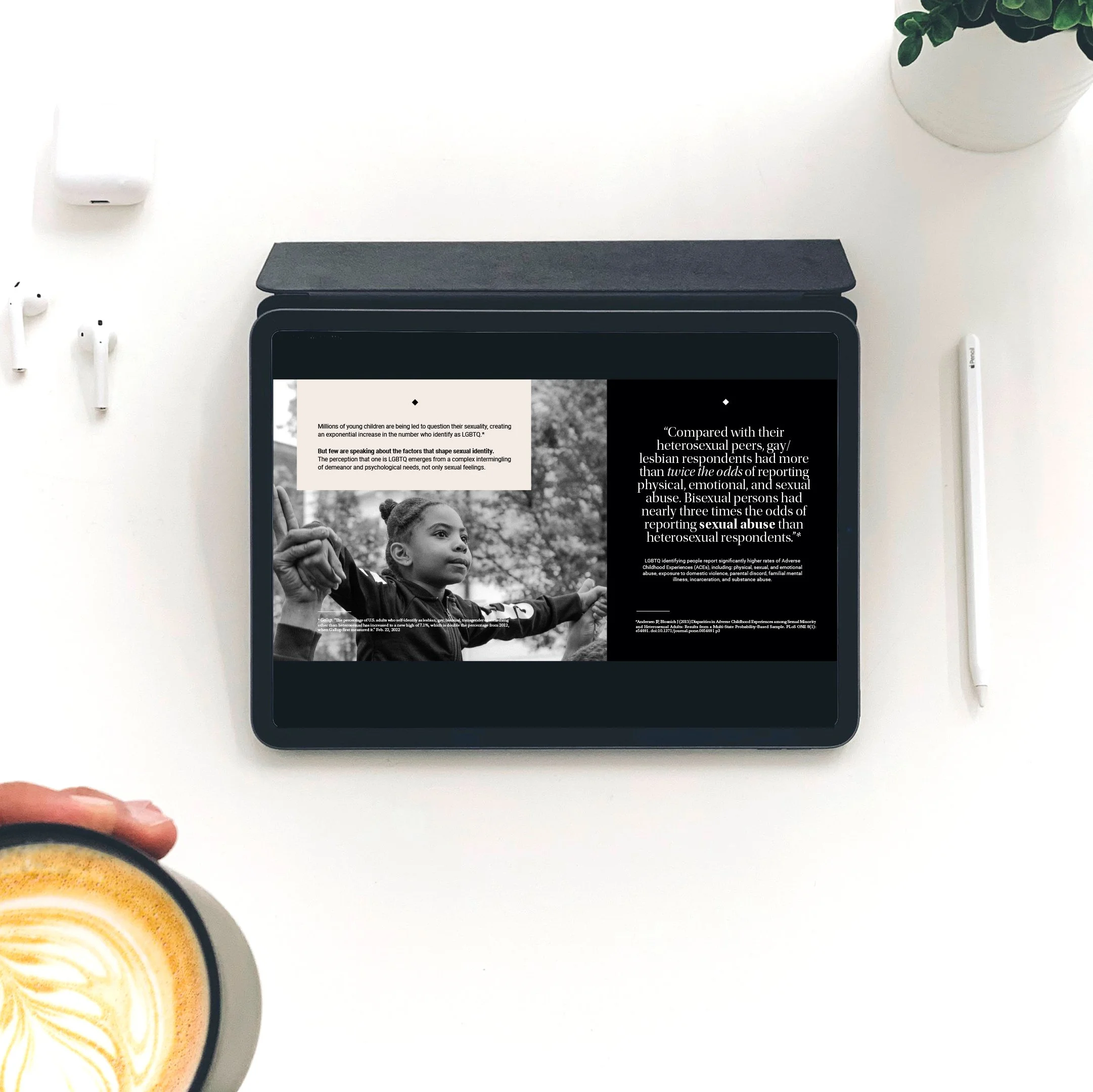
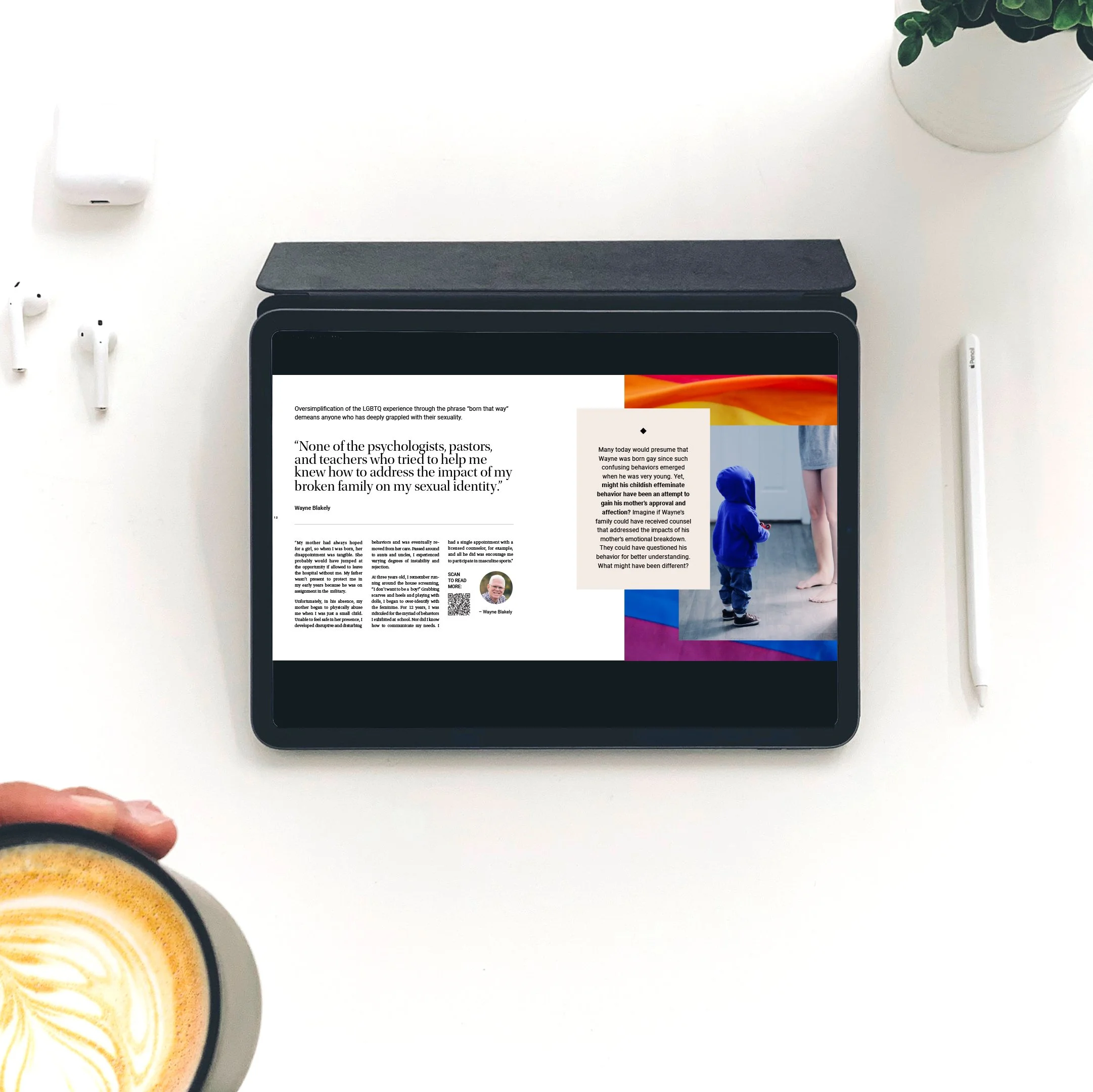
We asked people with the LGBTQ experience how childhood impacted their feelings and sense of identity to better understand how upbringing influences adoption of LGBTQ identity. We looked at recent statistics and studies alongside their stories to gain a more comprehensive understanding. We discovered that childhood perceptions and wounds, including those developed through adverse childhood experiences (ACEs), traumas, and unstable family relationships, played a disproportionately large role among those adopting an LGBTQ identity.
Many from CHANGED have experienced shifts in sexual feelings and gender identity as we have better understood the formative factors of our childhood. Our self-discovery journeys fuel our passion for protecting counseling choices for everyone.
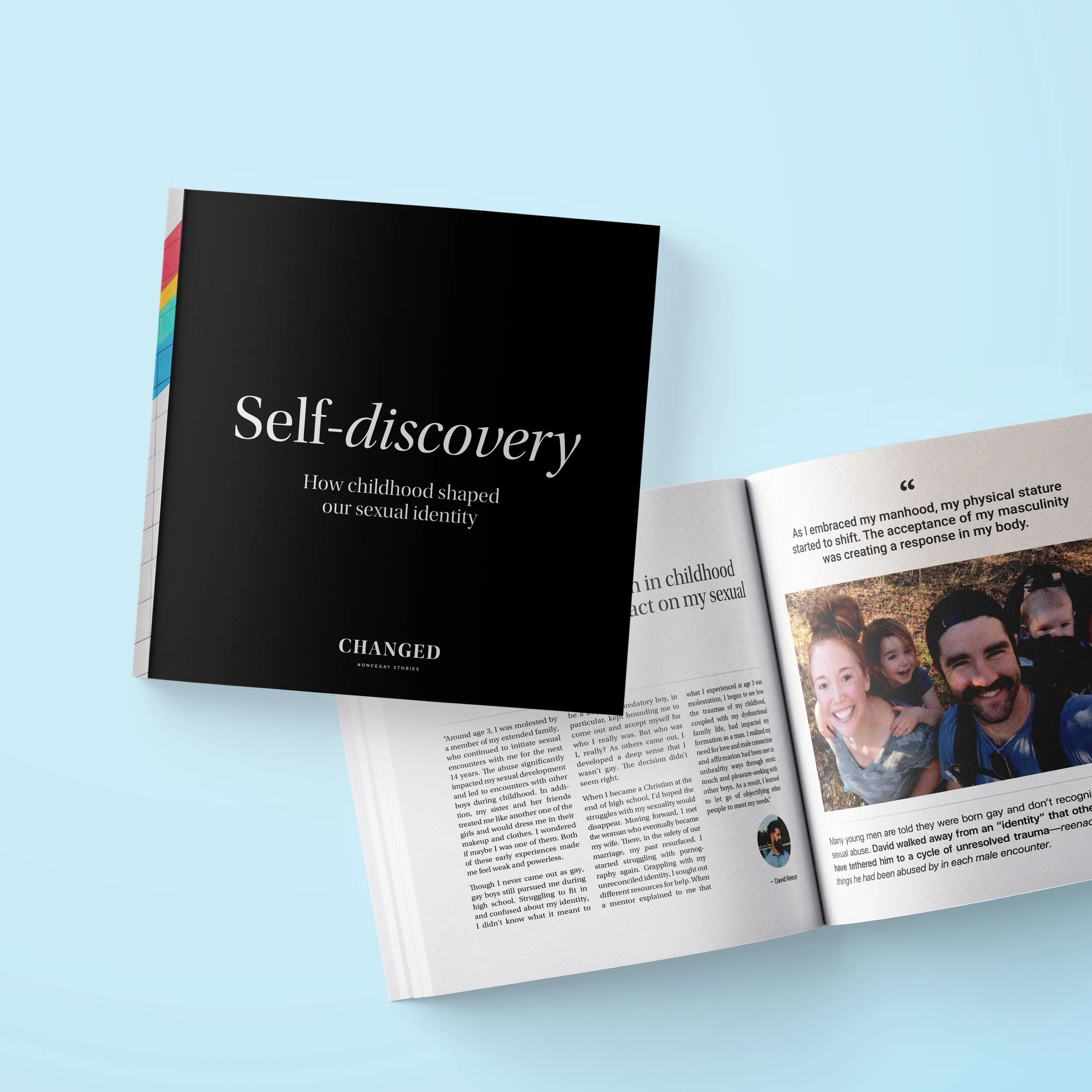
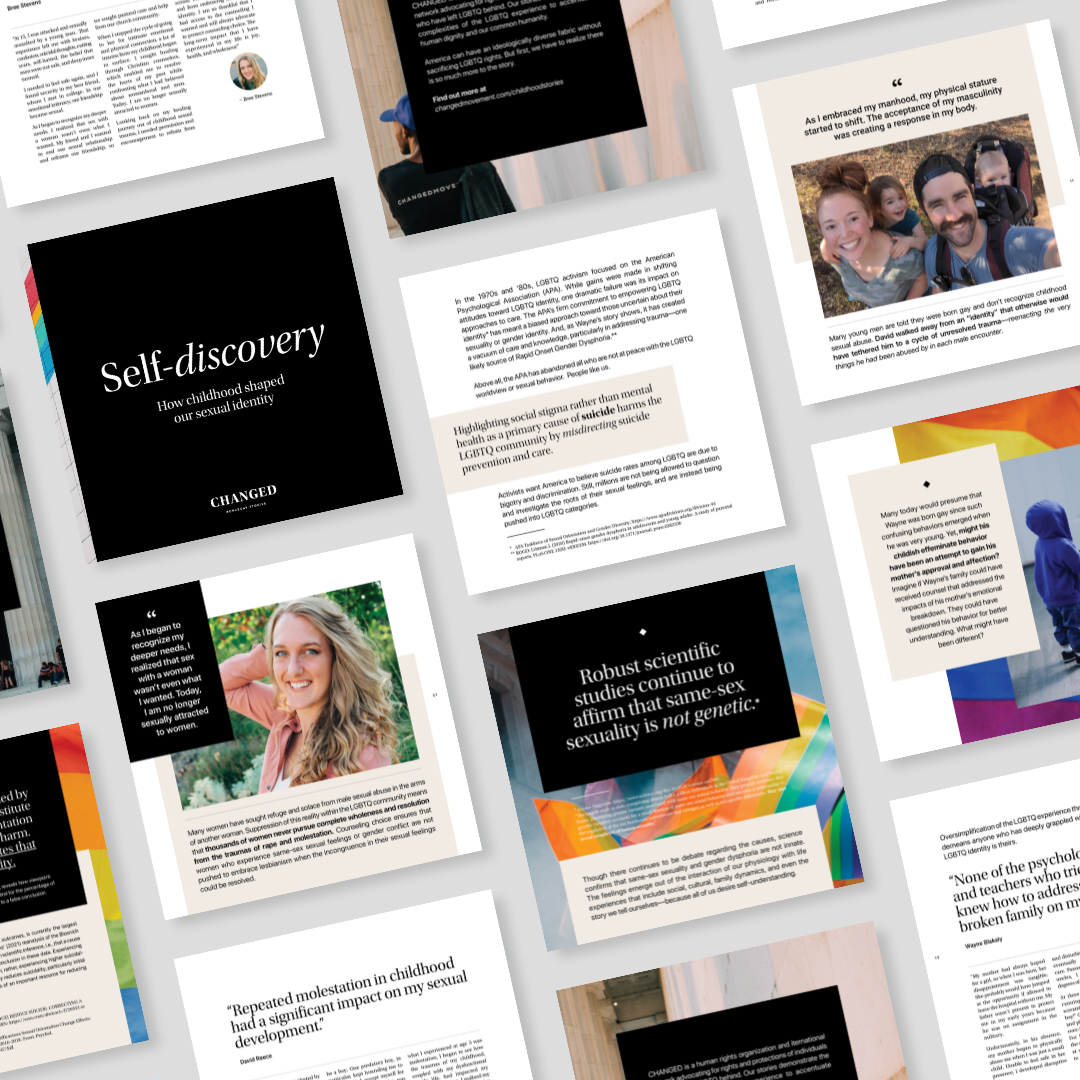
Self-discovery
How childhood shaped our sexual identity
This resource highlights excerpts of a few of our stories to emphasize how complex the LGBTQ identity truly is. Read our stories and learn more below.
Read Our Stories
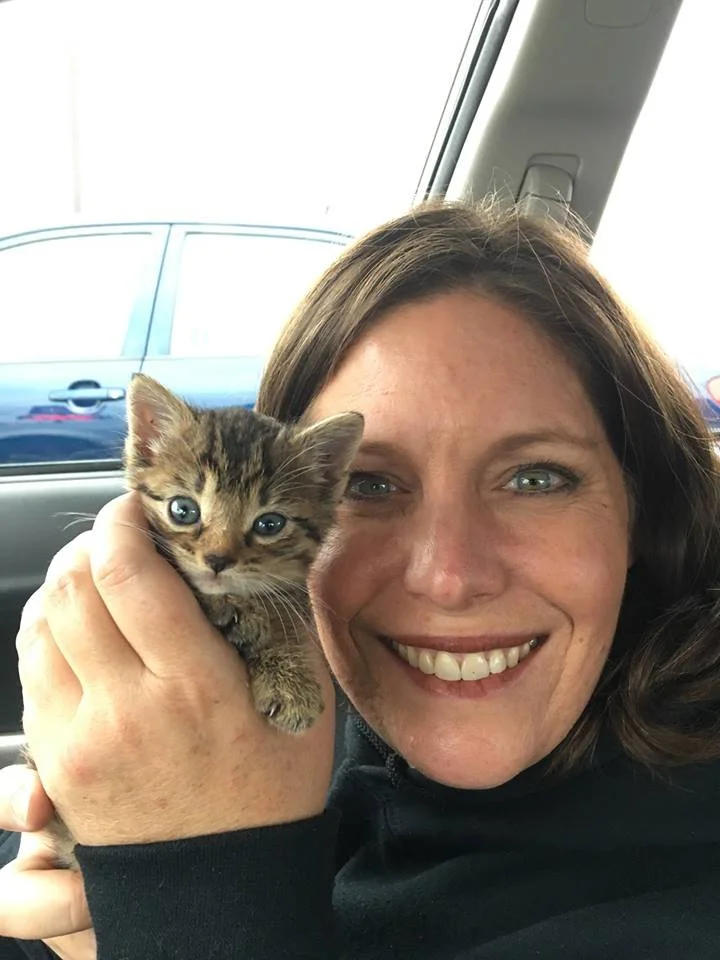
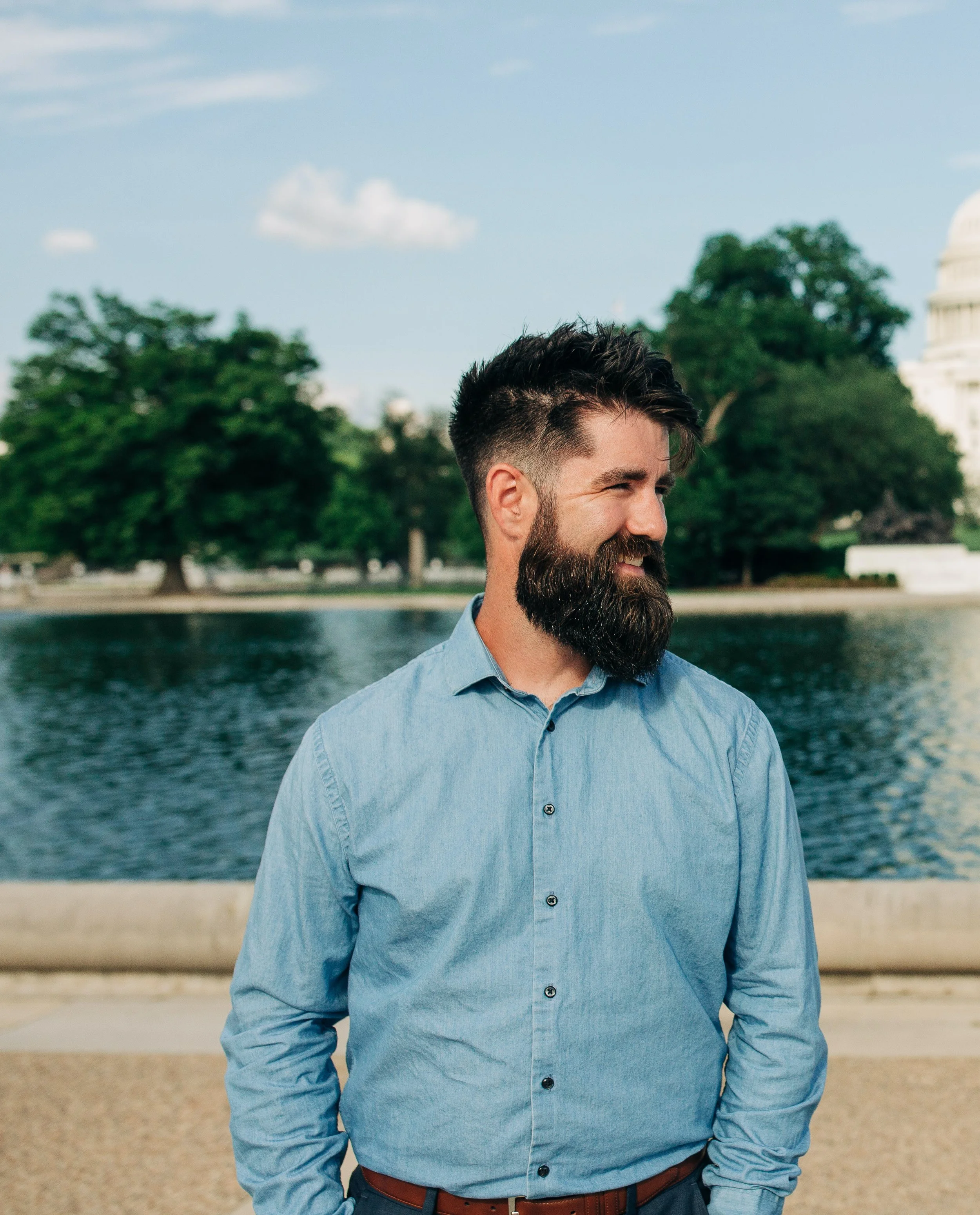
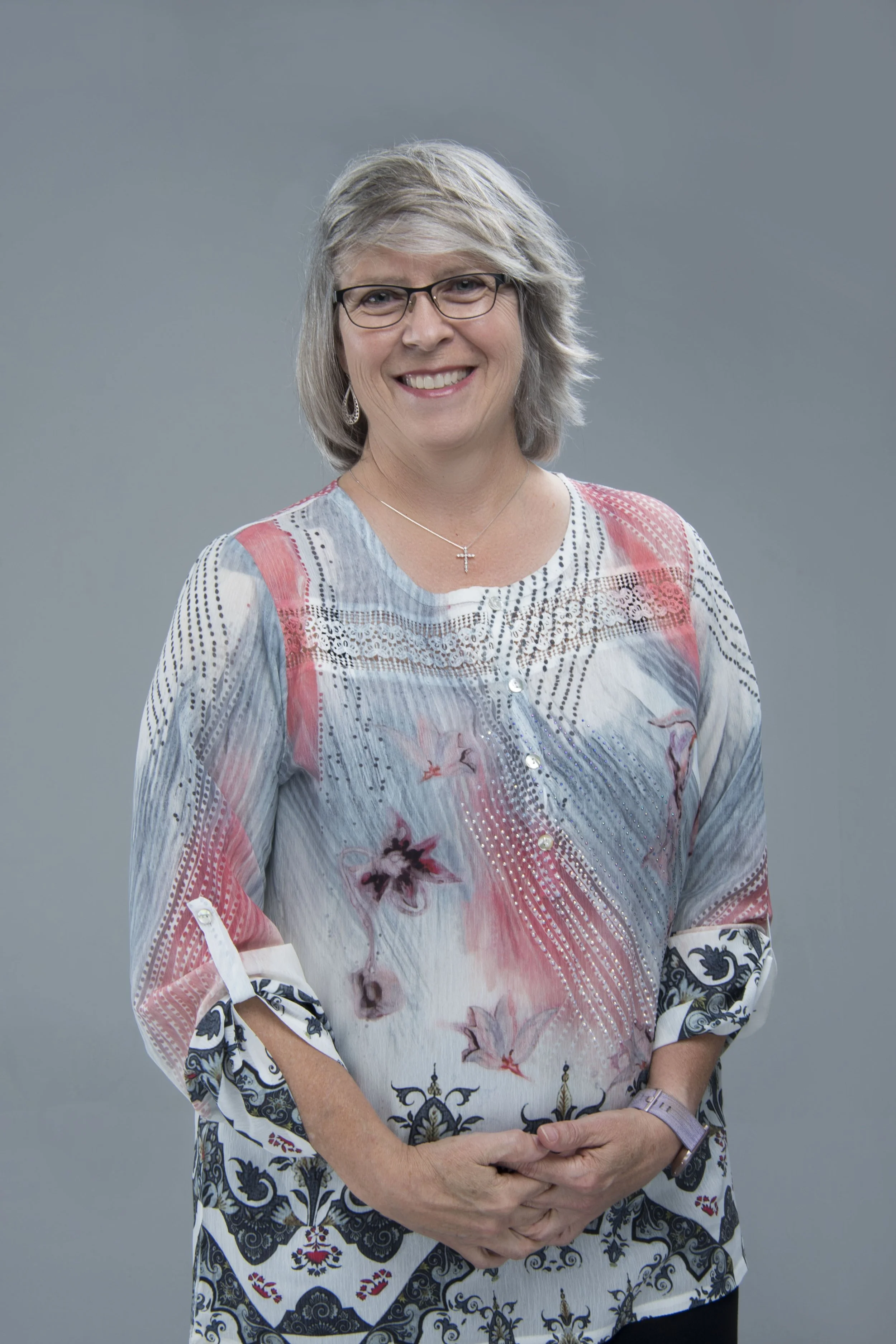
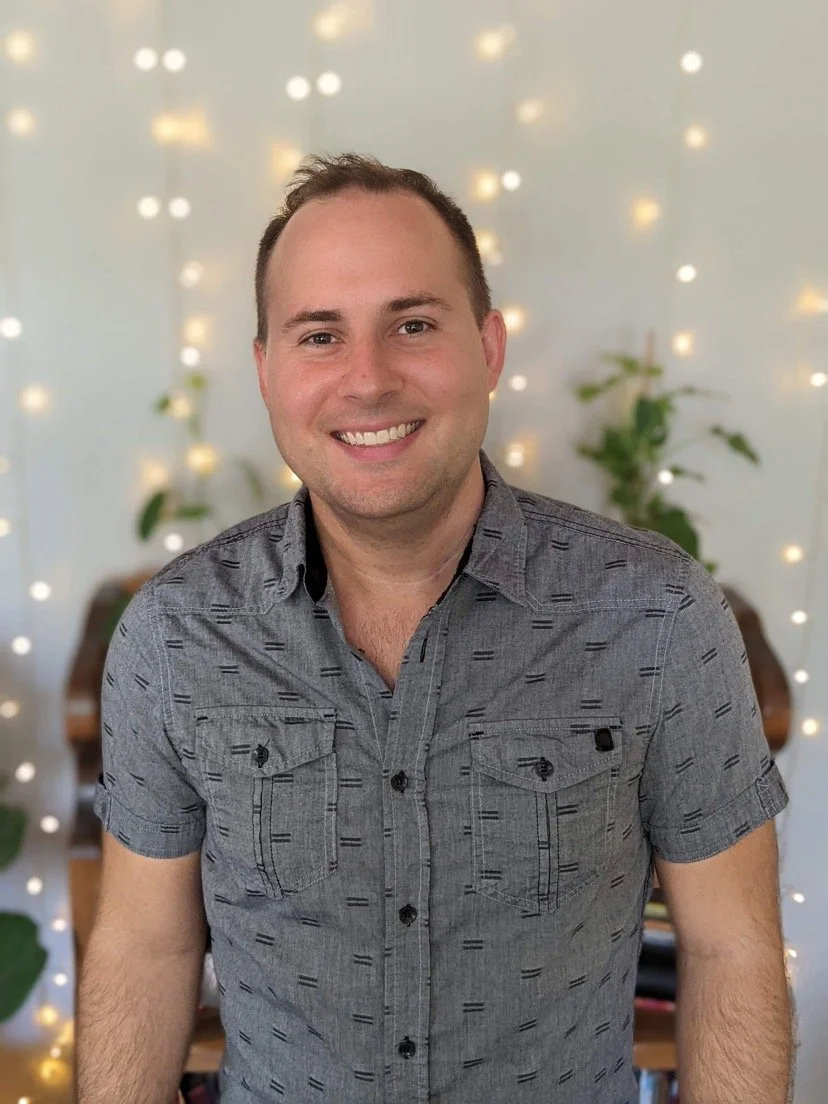
Hover over any photo and click to read our full stories
“Lack of healthy connection with my parents and an early exposure to pornography caused me to reject my own masculine identity.”
“Looking back on my childhood sexual trauma, I needed encouragement to refrain from embracing an LGBTQ identity.”
Counseling opened up a new world of self-understanding, emotional healing, and self-discovery. The life-dominating struggle of gender dysphoria and same-sex sexual feelings has faded, and today these are no longer a struggle.
“Looking back on my childhood sexual trauma, I needed encouragement to refrain from embracing an LGBTQ identity.”
“Sexual abuse created a web that led me to reject not only men and masculinity but even my own femininity.”
“The rift in the way I identified with other men eventually caused me to reject masculinity—even my own.”
“All the negative experiences I had with men were clear indicators that women weren’t good, further validating my longing to be a boy.”
“As I experienced more emotional healing and grew in confidence as a man, my sexual attraction to men decreased.”
“My dad’s abusive behavior and my early exposure to porn led me to reject any kind of physical connection with women for fear of perpetuating harm.”
“Sexual abuse as an adolescent and exposure to pornography as a teenager birthed unwanted feelings of same-sex attraction.”
“Emotional neglect, verbal abuse, and misogyny within my family greatly impacted how I saw myself and what I believed about women.”
“I ‘came out’ at sixteen and they supported me. They were my only refuge and the strongest people in my life. When life got hard I would envision myself as one of them, a strong woman, in order to dissociate and survive.”
“The socialization and affirmation of my femininity that I should have received as an adolescent was developmentally absent.”